Achieving consistent progress in the gym often hinges on more than just training intensity and nutrition timing. The right muscle supplements can bridge nutritional gaps, enhance recovery, and support the body’s anabolic processes, allowing athletes and fitness enthusiasts to push past plateaus safely. This guide explores the most effective supplements for muscle growth, explains how they work, and offers practical recommendations for integrating them into a balanced regimen.
Understanding How Muscle Supplements Work
Supplements are designed to complement a well-structured diet and training program. They provide concentrated sources of nutrients that are either difficult to obtain in sufficient quantities from food alone or that offer a performance edge when taken at optimal times.
Key Mechanisms
- Protein synthesis stimulation: Amino acids, especially leucine, trigger the mTOR pathway, which drives muscle-building processes.
- Recovery acceleration: Anti-inflammatory compounds and electrolytes help reduce muscle soreness and replenish fluids lost during intense sessions.
- Energy provision: Creatine and certain carbohydrates replenish ATP stores, enabling higher training volumes.
- Hormonal support: Certain botanical extracts can modestly influence testosterone and cortisol levels, creating a more favorable hormonal environment for growth.
Core Supplements for Muscle Development
While the supplement landscape is vast, a handful of ingredients consistently demonstrate strong evidence for supporting hypertrophy and strength gains.
1. Whey Protein Isolate
- Rapidly digested, delivering a quick surge of essential amino acids.
- Typically provides 20-30″?g of protein per serving with minimal lactose and fat.
- Ideal for post-workout nutrition to jump-start recovery.
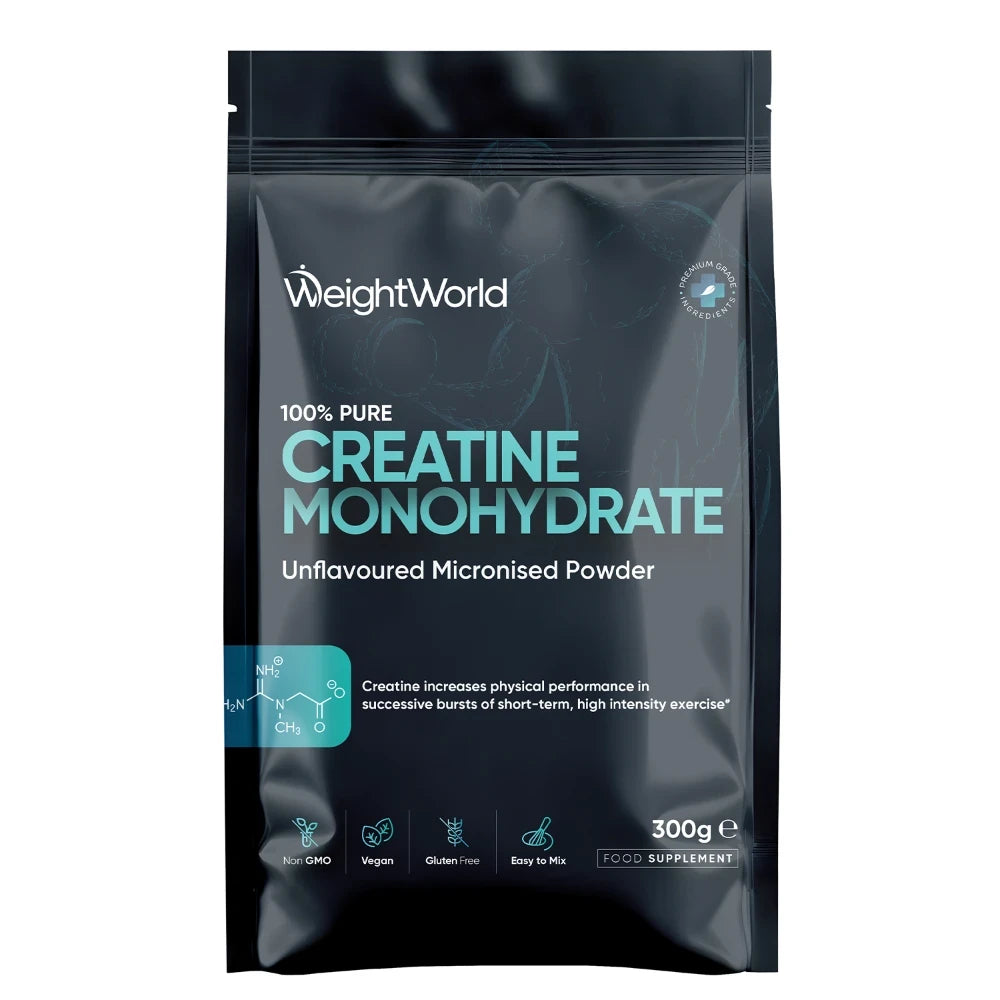
2. Creatine Monohydrate
- Increases intramuscular phosphocreatine, enhancing short-burst power output.
- Supported by over 500 studies showing gains of 1-3″?kg of lean mass with regular use.
- Loading phase (5″?g ??”?4 days) followed by a maintenance dose of 3-5″?g daily is effective.
3. Branched-Chain Amino Acids (BCAAs)
- Leucine, isoleucine, and valine help reduce muscle protein breakdown.
- Beneficial during prolonged cardio or when training in a fasted state.
- Best paired with a complete protein source to ensure full amino acid coverage.
4. Beta-Alanine
- Buffers lactic acid buildup, extending the capacity for high-intensity effort.
- Typical dose: 2-5″?g per day, split into smaller servings to avoid tingling sensations.
5. Omega-3 Fatty Acids
- EPA and DHA possess anti-inflammatory properties that aid joint health and recovery.
- Research indicates a modest improvement in muscle protein synthesis when combined with resistance training.
Choosing the best muscle supplements for Your Goals
Selection should be guided by individual objectives, training frequency, and dietary habits. Consider the following factors:
- Training volume: High-volume lifters may benefit more from creatine and beta-alanine.
- Dietary restrictions: Vegans often rely on plant-based protein powders and BCAAs derived from fermentation.
- Budget: Bulk purchasing of staple supplements like whey and creatine can reduce long-term costs.
- Allergen concerns: Look for hypoallergenic formulas if dairy, soy, or gluten are problematic.
Integrating Supplements Into a Daily Routine
Effective supplementation hinges on timing and consistency. Below is a sample schedule that aligns with common training patterns.
Pre-Workout
- Beta-alanine (2″?g) 30 minutes before training.
- Optional caffeine or a light carbohydrate source for energy.
During Workout
- Water mixed with electrolytes to maintain hydration.
- If sessions exceed 90 minutes, consider intra-workout BCAAs.
Post-Workout (Within 30 Minutes)
- Whey protein isolate (25-30″?g) combined with 5″?g creatine monohydrate.
- Fast-acting carbohydrate (e.g., dextrose) if glycogen replenishment is a priority.
Evening / Rest Days
- Omega-3 supplement (1-2″?g EPA/DHA).
- Additional protein (casein or plant-based) to sustain amino acid availability overnight.
Safety, Quality, and Regulatory Considerations
Choosing reputable brands ensures product purity and accurate labeling. Look for third-party testing certifications such as NSF Certified for Sport or Informed-Sport. These programs verify that supplements are free from banned substances and contaminants.
While most muscle-supporting supplements are safe for healthy adults, certain individuals, such as those with kidney disease, pregnant or nursing women, and persons on medication, should consult a healthcare professional before beginning any new regimen.
Frequently Asked Questions
Do I need to cycle creatine?
Current research suggests continuous low-dose use (3-5″?g daily) is safe and effective. Cycling is not required for most users.
Can I rely solely on supplements for muscle growth?
No. Supplements amplify the effects of a solid training program and balanced diet. They are not a substitute for progressive overload, adequate calorie intake, and proper rest.
How long before I see results?
Visible changes typically appear after 8-12 weeks of consistent training, nutrition, and supplementation, though individual response rates vary.
Conclusion
Optimizing muscle development involves a strategic blend of training intensity, nutrition, and targeted supplementation. By selecting evidence-backed products, such as whey protein, creatine, and essential amino acids, and integrating them thoughtfully into daily routines, athletes can enhance recovery, increase training capacity, and accelerate lean-mass gains. For those seeking the best supplements for building muscle, focusing on quality, proper dosing, and alignment with personal goals will deliver the most reliable outcomes.
About the Author


