Pumpkin seed oil capsules have surged in popularity across the UK due to their rich concentration of omega-6 fatty acids, phytosterols, and antioxidants. As the market expands, consumers face a bewildering array of options, each promising distinct health benefits. Choosing the right supplement requires more than a quick glance at the label; it demands an understanding of extraction methods, dosage accuracy, and third-party testing. This guide distills expert knowledge into practical steps, helping shoppers navigate the complexities and select a product that aligns with their wellness goals.
Understanding the Core Benefits of Pumpkin Seed Oil
Before diving into product specifics, it is essential to recognise why pumpkin seed oil is valued in nutraceutical circles. The oil is renowned for:
- Prostate health support: High levels of phytosterols may help maintain normal prostate function.
- Cardiovascular wellness: Omega-6 fatty acids contribute to healthy cholesterol ratios.
- Anti-inflammatory properties: Antioxidants such as vitamin E combat oxidative stress.
- Hair and skin vitality: Essential fatty acids promote moisturisation and elasticity.
When these benefits align with personal health objectives, the next step is to evaluate the quality of the capsule formulation.
Key Quality Indicators to Evaluate
1. Extraction Technique
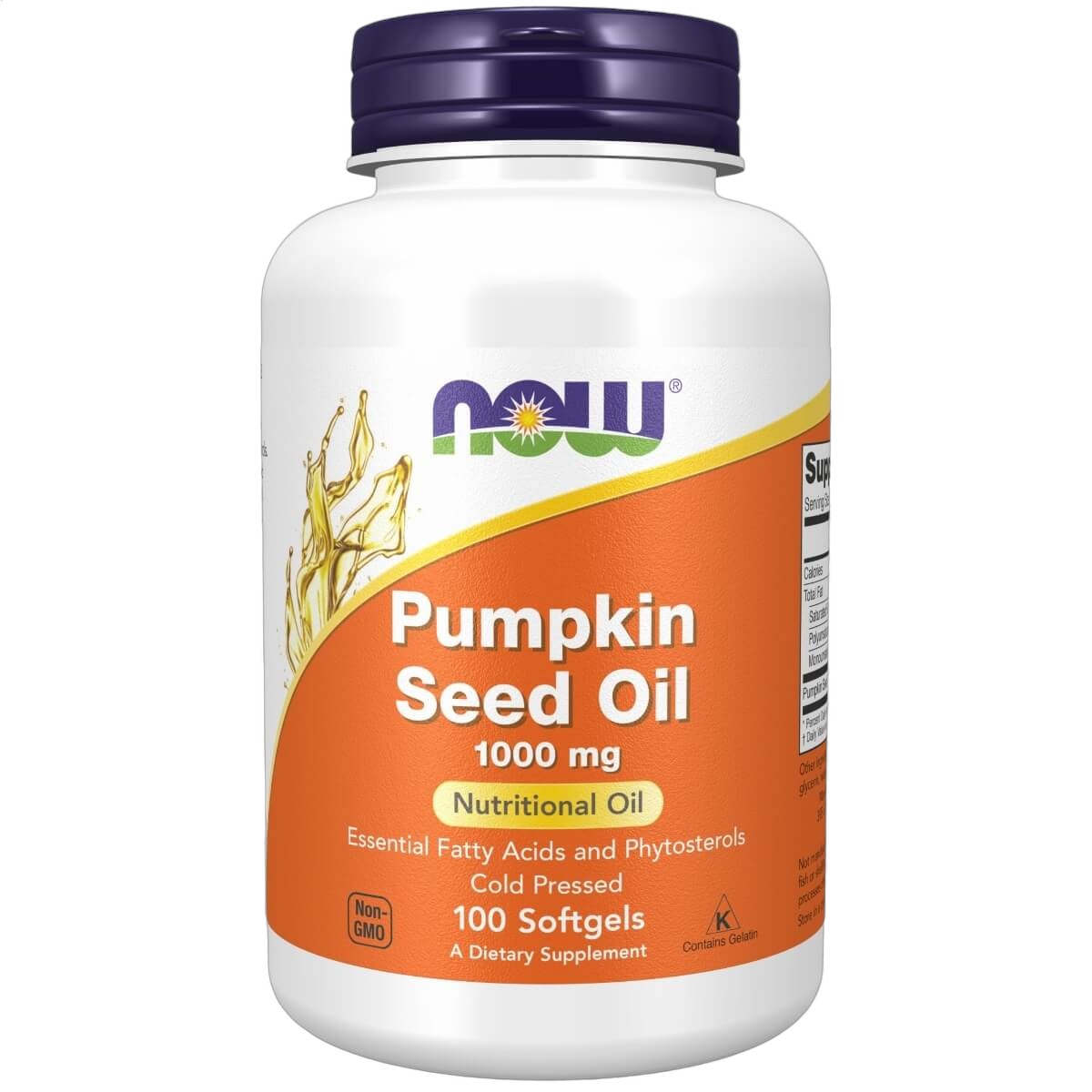
Cold-pressed extraction preserves the delicate phytonutrients in pumpkin seeds. Look for product descriptions that explicitly state “cold-pressed” or “mechanical extraction.” This method avoids heat-induced degradation, ensuring maximum potency.
2. Standardised Dosage
Effective daily dosages typically range from 500″?mg to 1″?g of oil per capsule. Consistency is crucial; a reputable brand will provide clear information on the exact milligram content per serving. For those seeking a higher therapeutic dose, a 1″?000″?mg capsule is often recommended.
3. Purity and Additive Profile
Check the ingredient list for unnecessary fillers, artificial colours, or preservatives. Ideal formulations contain only pumpkin seed oil and a capsule shell (often gelatin or a vegan alternative). Minimalist ingredient lists reduce the risk of allergens and interactions.
4. Third-Party Testing and Certification
Independent laboratory analysis confirms that the product meets label claims for potency and is free from contaminants such as heavy metals or pesticides. Certifications like GMP (Good Manufacturing Practice) or ISO add an extra layer of trust.
How to Compare Popular Brands
When comparing options, create a simple spreadsheet that tracks the following parameters:
- Extraction method (cold-pressed vs. solvent-extracted)
- Capsule strength (mg per capsule)
- Number of capsules per bottle
- Price per 1″?000″?mg dose
- Presence of third-party testing certificates
- Customer reviews focusing on efficacy and tolerability
Using this framework, many consumers find that a well-balanced product like the one offered at Discover expert strategies here consistently scores high across the board, delivering a reliable 1″?000″?mg cold-pressed oil per capsule without unnecessary additives.
Factors Specific to the UK Market
The United Kingdom enforces strict labeling regulations under the Food Supplements (England) Regulations 2003, which mandate clear ingredient disclosure and dosage recommendations. Additionally, Brexit has influenced import standards, making it essential to verify that the product is manufactured within the EU or UK to ensure compliance.
Key UK-focused considerations include:
- Regulatory compliance: Look for “UK-compliant” or “EU-certified” badges on the packaging.
- Supply chain transparency: Brands that disclose the origin of pumpkin seeds (e.g., Central Europe, Ukraine) often have tighter quality controls.
- Value-added services: Some retailers provide a free nutritional consultation or a subscription model for regular delivery, enhancing convenience.
For a deeper dive into UK-specific guidance, Learn about our tailored solutions that address these regional nuances.
Practical Tips for Optimal Use
Even the highest-quality capsules deliver the best results when taken correctly. Follow these evidence-based recommendations:
- Take the capsule with a meal containing healthy fats to improve absorption.
- Maintain a consistent daily schedule; benefits are cumulative over weeks.
- Store the bottle in a cool, dark place to protect the oil from oxidation.
- Consult a healthcare professional if you are pregnant, nursing, or on medication.
Integrating pumpkin seed oil capsules into a balanced diet that includes leafy greens, whole grains, and lean proteins can amplify overall health outcomes.
Where to Purchase with Confidence
Online platforms that specialise in nutraceuticals often provide detailed product pages, third-party test reports, and customer feedback. Selecting a reputable retailer reduces the risk of counterfeit supplements.
For a curated selection that meets stringent quality criteria, Explore advanced guides and tips on the official product page, where you can also access FAQs and dosage calculators.
Final Checklist Before Buying
- Confirm cold-pressed extraction and 1″?000″?mg per capsule dosage.
- Verify the absence of unnecessary fillers and allergens.
- Check for third-party testing certificates and UK/EU compliance.
- Compare price per dose against the spreadsheet criteria.
- Read recent user reviews focusing on efficacy and tolerability.
- Ensure the retailer offers clear return policies and customer support.
By methodically applying these expert tips, shoppers can confidently select a pumpkin seed oil capsule that delivers genuine health benefits while adhering to the high standards expected in the UK market. For a product that consistently meets these benchmarks, Find out more about this approach and make an informed purchase today.
About the Author