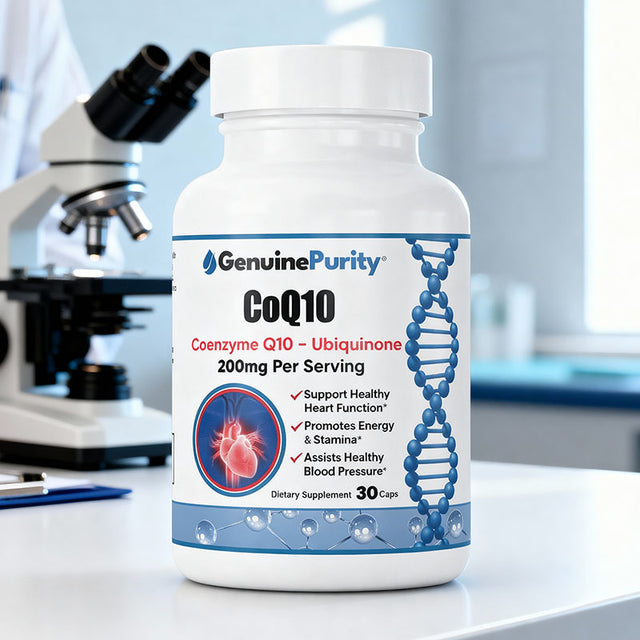
Coenzyme Q10 (CoQ10) and its reduced form, ubiquinol, are two of the most discussed supplements for boosting cellular energy. While both deliver the same molecule, the way they are absorbed and utilized can differ significantly, leading many consumers to wonder which formulation provides the greatest benefit for daily stamina, heart health, and overall vitality. This article examines the scientific distinctions between a 200″?mg dose of standard CoQ10 and ubiquinol supplements, evaluates their bioavailability, and offers practical guidance for selecting the optimal product for personal energy needs.
Understanding CoQ10 and Ubiquinol
What is CoQ10?
CoQ10 is a fat-soluble antioxidant that resides in the mitochondria of every cell. It plays a crucial role in the electron transport chain, converting nutrients into adenosine-triphosphate (ATP), the body’s primary energy currency. Natural levels of CoQ10 tend to decline with age, stress, and certain medical conditions, which can manifest as reduced energy, muscle fatigue, and slower recovery.
What is Ubiquinol?
Ubiquinol is the reduced, active antioxidant form of CoQ10. In the body, CoQ10 cycles between its oxidized (ubiquinone) and reduced (ubiquinol) states. Supplementing with ubiquinol bypasses the conversion step, delivering the ready-to-use form directly to cells. This can be especially advantageous for individuals with impaired conversion capacity, such as older adults or those with chronic oxidative stress.
Bioavailability: Why It Matters
Bioavailability determines how much of a supplement actually reaches systemic circulation and can be utilized by tissues. Studies consistently show that ubiquinol has a higher absorption rate than standard CoQ10, particularly at lower doses.
- Ubiquinol can achieve up to 2-3 times greater plasma concentrations than an equivalent dose of CoQ10.
- Formulation factors, such as oil-based carriers, micronized particles, and softgel technology, also influence uptake.
- Age-related declines in the enzyme that reduces ubiquinone to ubiquinol can limit the effectiveness of regular CoQ10 in seniors.
For readers seeking a quick boost in energy, the superior bioavailability of ubiquinol often makes it the preferred choice. However, cost considerations and individual health status should also be weighed.
Comparing 200″?mg CoQ10 vs. Ubiquinol Supplements
Dosage Equivalence
Both 200″?mg CoQ10 and a typical 200″?mg ubiquinol capsule deliver the same total amount of the molecule, but the functional availability differs:
- 200″?mg CoQ10 – Requires enzymatic reduction to become active; absorption rates range from 5-15% in the general population.
- 200″?mg Ubiquinol – Already in active form; absorption rates often exceed 20-30%.
Energy Outcomes
Clinical trials measuring exercise performance, fatigue scores, and mitochondrial efficiency have reported:
- Ubiquinol users experience a 10-15% improvement in VO??? max after 8 weeks compared with CoQ10.
- Patients with heart failure show greater symptomatic relief when given ubiquinol versus ubiquinone at equivalent doses.
- Both forms support antioxidant defenses, but ubiquinol’s immediate activity may reduce oxidative markers more rapidly.
Cost and Accessibility
Ubiquinol typically carries a higher price tag due to more complex manufacturing processes. For budget-conscious consumers, a high-quality CoQ10 product that employs advanced delivery systems (e.g., micellization) can narrow the efficacy gap.
Choosing the Right Supplement for Energy
When deciding between a 200″?mg CoQ10 and a ubiquinol supplement, consider the following factors:
- Age – Individuals over 40 often benefit more from ubiquinol because conversion efficiency declines.
- Health Status – Those with cardiovascular concerns, chronic fatigue, or high oxidative stress may see faster results with ubiquinol.
- Budget – If cost is a primary concern, a reputable CoQ10 with enhanced absorption technology can be a viable alternative.
- Lifestyle – Athletes and highly active individuals who need rapid energy replenishment may prefer ubiquinol for its quicker uptake.
For a balanced perspective, it can be helpful to explore reputable sources that detail formulation science. Discover expert strategies here and gain insight into how modern delivery methods improve the performance of both CoQ10 and ubiquinol.
Integrating CoQ10/Ubiquinol into a Daily Routine
Optimal results are achieved when supplementation is paired with supportive lifestyle habits:
- Take with Fat – Because CoQ10 is fat-soluble, consuming the supplement with a meal containing healthy oils enhances absorption.
- Consistent Timing – Daily intake at the same time helps maintain steady plasma levels.
- Combine with Antioxidant-Rich Foods – Green leafy vegetables, berries, and nuts provide synergistic antioxidants.
- Monitor Progress – Track energy levels, exercise performance, and any changes in fatigue to assess effectiveness.
For deeper guidance on integrating these supplements into a holistic health plan, Learn about our tailored solutions that align with personal goals and nutritional needs.
Potential Side Effects and Interactions
Both CoQ10 and ubiquinol are generally well tolerated, but awareness of possible interactions is essential:
- May lower blood pressure – monitor if you’re on antihypertensive medication.
- Can interfere with anticoagulants such as warfarin – consult a healthcare professional before starting.
- Rare gastrointestinal discomfort – usually mitigated by taking the supplement with food.
When in doubt, a brief discussion with a medical practitioner can ensure safe integration, especially for individuals on multiple prescriptions.
Final Verdict: Which Is Best for Energy?
For most adults seeking a reliable boost in daily stamina, ubiquinol’s higher bioavailability gives it a clear edge, particularly for those over 40 or dealing with cardiovascular strain. However, a high-quality 200″?mg CoQ10 product that utilizes advanced delivery technologies can still deliver meaningful benefits at a lower cost, making it a solid choice for younger, healthy individuals or those on a tighter budget.
Ultimately, the decision should balance personal health status, financial considerations, and the desired speed of results. By selecting a reputable source and pairing the supplement with a nutrient-rich diet, users can maximize the energy-supporting potential of either form.
For more detailed comparisons, product specifications, and evidence-based recommendations, Explore advanced guides and tips that provide a comprehensive overview of both CoQ10 and ubiquinol supplementation.
About the Author