Time trial performance hinges on the delicate balance between power output, aerodynamics, and precision execution. While raw strength is essential, the subtle adjustments made in equipment selection, body positioning, and pacing strategy can shave seconds off a rider’s result, seconds that often decide podium placements. This article delves into proven techniques that help cyclists harness aerodynamic advantages, refine their time-trial rhythm, and ultimately achieve faster, more consistent results.
Optimising Aerodynamic Positioning
A rider’s silhouette in the wind is the single biggest factor influencing drag. Small tweaks to torso angle, arm placement, and helmet choice can produce measurable gains. The goal is to maintain a position that maximises power transfer while minimising frontal area.
Key Position Adjustments
- Torso Angle: Aim for a 10-15?? forward lean from the hips. This reduces the frontal area without compromising breathing.
- Arm Extension: Keep elbows slightly bent (???15??) to avoid excess drag caused by a wide arm spread.
- Head Position: Tuck the chin toward the chest and use a low-profile helmet with a well-ventilated visor.
- Foot Placement: Clipless pedals should align the foot’s sole with the crank arm to keep the knee path efficient.
For cyclists seeking specialised equipment that supports these positions, Discover expert strategies here offers a curated selection of time-trial frames, aero bars, and integrated cockpit systems designed to lock in optimal geometry.
Equipment Choices That Reduce Drag
Beyond positioning, the components on a bike contribute significantly to overall aerodynamic performance. Selecting the right wheels, tires, and clothing can reduce drag by up to 5″?% in some cases.
Wheels and Tires
- Deep-section rims: 40-50″?mm depth provides a good balance of aerodynamic benefit and cross-wind stability.
- Tire width: 23-25″?mm tires at 90-95″?psi minimise rolling resistance while keeping a narrow profile.
- Tubeless setup: Reduces weight and eliminates pinch flats, allowing smoother ride quality.
Clothing and Accessories
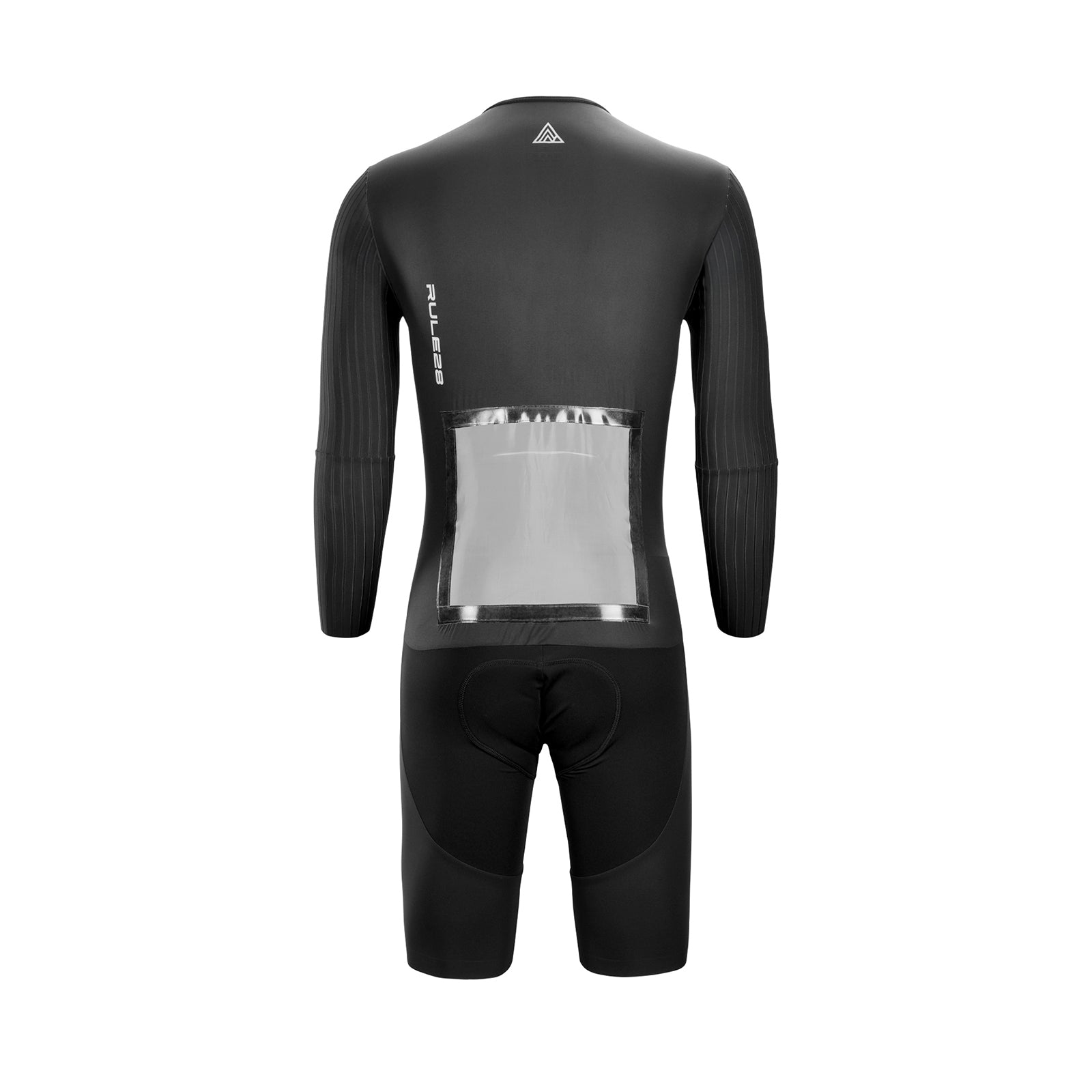
- Form-fitting skinsuits that eliminate loose fabric and reduce surface turbulence.
- Aero shoe covers and overshoes that streamline the foot-ankle region.
- Integrated hydration systems that avoid external bottles and keep the rider’s silhouette clean.
A comprehensive catalogue of high-performance time-trial upgrades, including the latest aero skinsuits and shoe covers, can be explored at Learn about our tailored solutions. Each product is engineered to complement the rider’s position and maximise speed.
Effective Pacing Strategies
Even the most aerodynamic setup will falter without a disciplined pacing plan. Time trials demand a consistent power output that matches the rider’s physiological thresholds.
Power-Based Pacing
- Determine Functional Threshold Power (FTP) through a structured test.
- Target 95-100″?% of FTP for the first 50″?% of the course, then settle into 90-95″?% for the remainder.
- Use a power meter to monitor real-time effort and avoid sudden spikes that waste energy.
Virtual Gradient Modeling
- Map the course profile in a training app to anticipate climbs and descents.
- Adjust effort on uphill sections to stay within target power zones.
- Take advantage of descents by reducing cadence slightly while maintaining aerodynamic posture.
For riders who prefer a data-driven approach, detailed guides on pacing can be found at Explore advanced guides and tips. These resources break down the science behind power zones and provide templates for race day execution.
Fine-Tuning Bike Fit for Time Trials
A precise bike fit translates to comfort, power, and reduced drag. The fit process should address both static measurements and dynamic movement on the bike.
Fit Checklist
- Stack & Reach: Verify that the frame geometry aligns with the rider’s torso length and arm reach.
- Stem Length: Shorter stems encourage a lower torso angle, while longer stems can improve handling on technical sections.
- Handlebar Width: Match the width to shoulder width for optimal control and minimal wind resistance.
- Saddle Position: Set fore-aft location to keep knee angle near 75?? at the top of the pedal stroke.
Professional fitting services and a range of adjustable components are highlighted at Find out more about this approach, allowing athletes to customise their setup to the exact specifications required for peak performance.
Training Drills to Reinforce Aero Skills
Consistent practice of aero-specific drills embeds the position into muscle memory, ensuring the rider can sustain it comfortably over race distance.
Suggested Drills
- Position Holds: Ride in full aero position for 5-10″?minutes at low intensity to build endurance.
- Wind Tunnel Simulations: Use a fan or indoor trainer with a wind-resistance setting to replicate real-world drag.
- Threshold Intervals: 2″???”?20″?min at 95″?% FTP while maintaining aero posture, with 10″?min recovery.
- Video Analysis: Record rides from multiple angles to identify any unintended movements that increase drag.
Equipment that supports these drills, such as aerodynamic training helmets and streamlined clothing, is featured in the collection at Discover expert strategies here. Integrating the right gear with disciplined training accelerates adaptation to the aero position.
Conclusion
Improving time-trial results is a multifaceted endeavour that blends scientific pacing, meticulous bike fit, and cutting-edge aerodynamic equipment. By systematically applying the techniques outlined above, optimising body position, selecting low-drag components, mastering power-based pacing, and reinforcing the aero posture through targeted training, riders can expect measurable reductions in drag and faster, more consistent race performances. For those ready to implement these strategies, the curated selection of time-trial upgrades provides the tools needed to translate knowledge into tangible speed gains.
About the Author