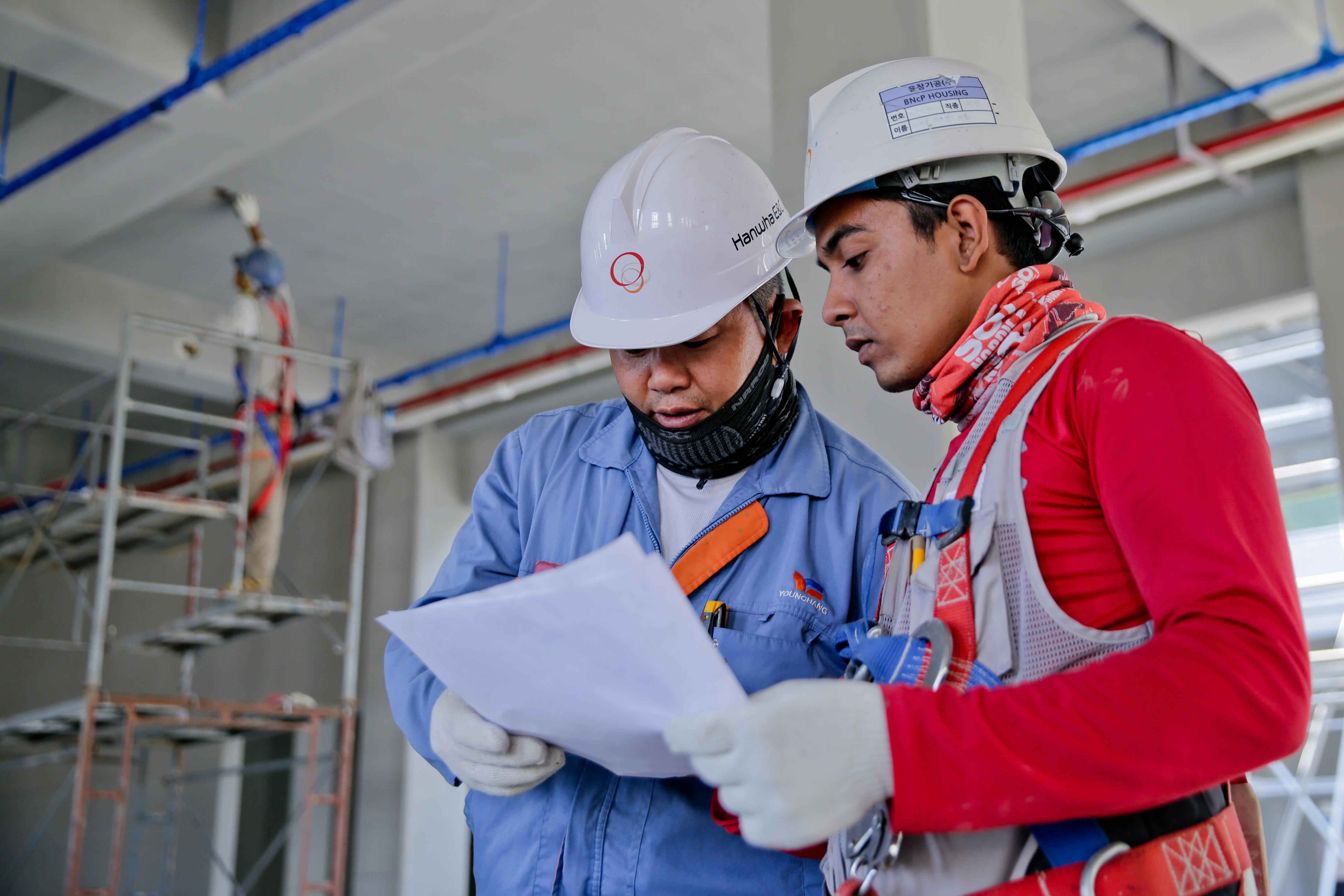
In the ever-evolving world of construction, selecting the right general contractor can significantly impact the success of a project. Whether it’s a residential, commercial, or industrial construction, the expertise and reliability of a general contractor are paramount. Recognizing the importance of this role, it becomes essential to understand what sets leading general construction contractors apart in your area.
Key Qualities of a Leading General Construction Contractor
A leading general construction contractor is defined by a combination of expertise, reliability, and a commitment to quality. Here are the key qualities that distinguish them:
- Experience and Expertise: An experienced contractor understands the complexities of construction projects and is adept at managing unforeseen challenges. Discover expert strategies here.
- Strong Network: Having a vast network of skilled subcontractors and suppliers ensures timely delivery and high-quality materials.
- Effective Communication: Clear communication with clients and stakeholders is crucial to ensure that the project stays on track.
- Attention to Detail: Precision in every aspect of the construction process, from planning to execution.
- Commitment to Safety: Adhering to safety standards to protect workers and the project site.
The Role of Technology in Modern Construction
Incorporating cutting-edge technology is a hallmark of leading general construction contractors. Technology enhances efficiency, accuracy, and project outcomes. For those looking to integrate technology into their construction projects, learn about our tailored solutions that can revolutionize the construction process.
Benefits of Using Technology
- Improved Project Management: Software tools help in planning, scheduling, and monitoring project progress.
- Enhanced Collaboration: Digital platforms facilitate seamless communication between all parties involved.
- Accurate Budgeting: Technology aids in precise cost estimation and financial tracking.
- Quality Control: Advanced tools for inspection and quality assurance ensure high standards.
Understanding the Construction Process
A comprehensive understanding of the construction process is vital for achieving successful project outcomes. From initial design to final completion, each stage requires meticulous planning and execution. To delve deeper into the intricacies of the construction process, explore advanced guides and tips that provide valuable insights and methodologies.
Stages of the Construction Process
- Design and Planning: This initial stage involves developing architectural designs and detailed project plans.
- Pre-Construction: Site analysis, permits, and procurement take place during this phase.
- Construction: Actual building work, including foundation laying, structural work, and installations.
- Post-Construction: Final inspections, clean-up, and handover to the client.
The Importance of Sustainability in Construction
Modern construction practices increasingly emphasize sustainability. Environmentally responsible contractors focus on minimizing waste, using sustainable materials, and enhancing energy efficiency. To embrace sustainable construction practices, find out more about this approach and how it contributes to a greener future.
Key Sustainable Practices
- Energy Efficiency: Implementing energy-saving technologies and materials.
- Waste Reduction: Efficient waste management and recycling practices.
- Sustainable Materials: Using eco-friendly and locally sourced materials.
- Water Conservation: Incorporating systems to reduce water usage.
In conclusion, selecting a leading general construction contractor involves understanding their expertise, embracing technological advancements, and prioritizing sustainable practices. By focusing on these aspects, one can ensure the success of any construction project. For more information and resources on selecting a top-tier contractor, visit this comprehensive guide.
About the Author